
Article
Vitro: upgrading and supporting its B2B site on Adobe Commerce
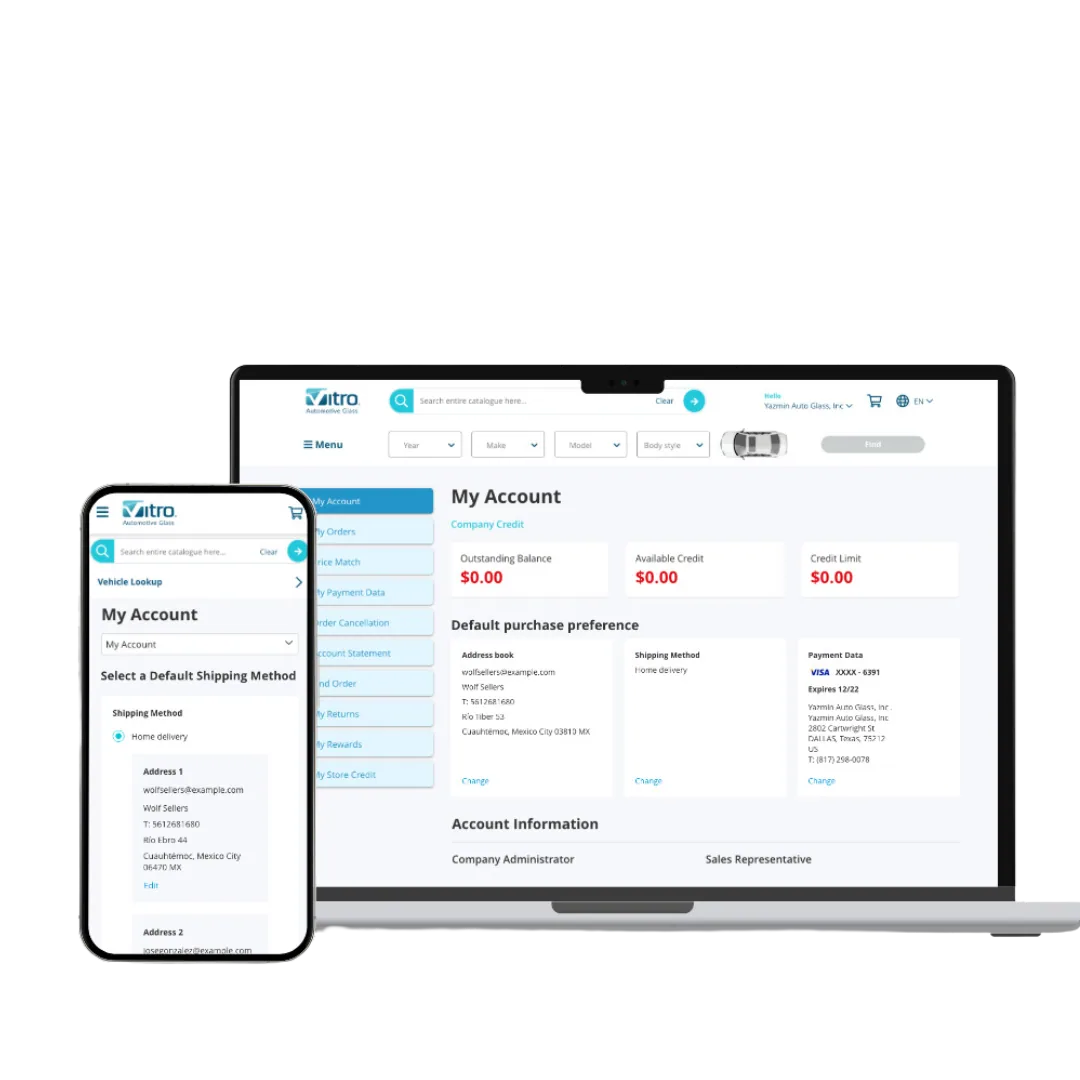
Vitro B2B: we upgraded its site from Adobe Commerce 2.3.0 to 2.4.6 and moved to GraphQL. The faster site response resulted in a 20% increase in sales.
On this page
In April 2022 we started working with Vitro B2B, part of glass manufacturer Vitro. Its site was running on Adobe Commerce (formerly Magento) with a Progressive Web App (PWA). Over time, we at WolfSellers took over the entire project: we upgraded Adobe Commerce from version 2.3.0 to 2.4.6 and moved the site from REST API to GraphQL.
Project overview
| Item | Detail |
|---|---|
| Client | Vitro B2B (Vitro) |
| Industry | Glass manufacturing, with B2B sales |
| Project type | Support, upgrade and optimization of an existing B2B site |
| Platform | Adobe Commerce (formerly Magento) 2.4.6 on Adobe's cloud, with PWA and GraphQL |
| What WolfSellers did | Code and environment management, version upgrade, GraphQL migration, bug fixes, new features, payment methods and security patches |
| Integrations | Payment methods; the platform already communicated with SAP |
| Timeline | Since April 2022; we were still in charge in July 2024 |
The challenge
The Vitro project had started in 2018 with an initial build without a PWA; later, another agency developed the PWA. In April 2022, three agencies were supporting the platform, and our role was limited to fixing minor bugs in the PWA and the REST API.
The platform we found was running an outdated version of Adobe Commerce, had performance issues, and its infrastructure on Adobe's cloud lacked the latest improvements and features.
The solution
Over time we took over the entire project: the code deployed to each environment, the environments themselves, the database, and service and code updates.
Adobe Commerce and PWA upgrade
We migrated Adobe Commerce from version 2.3.0 to 2.4.6 and updated the PWA, to improve the site's performance, stability and speed.
From REST API to GraphQL
We moved the site's communication from REST API to GraphQL, which reduced its response time.
Features, payments and documentation
- We fixed all the initial bugs.
- We added new product views and features to support sales goals.
- We integrated new payment methods and fixed errors in the existing ones.
- We documented our findings and the modules we built.
Security
We applied security patches and updates to keep the platform protected.
Results
- Sales: site response improved significantly, resulting in a 20% increase in sales.
- Navigation: faster and more efficient, which improved satisfaction for both Vitro's customers and its sales executives.
- Stability and security: with the updates and patches, the platform was protected against vulnerabilities.
- Ongoing support: in July 2024 we were still providing support and regular updates.
Next steps proposed in 2024
- Optimize communication between Adobe Commerce and SAP with a middleware layer.
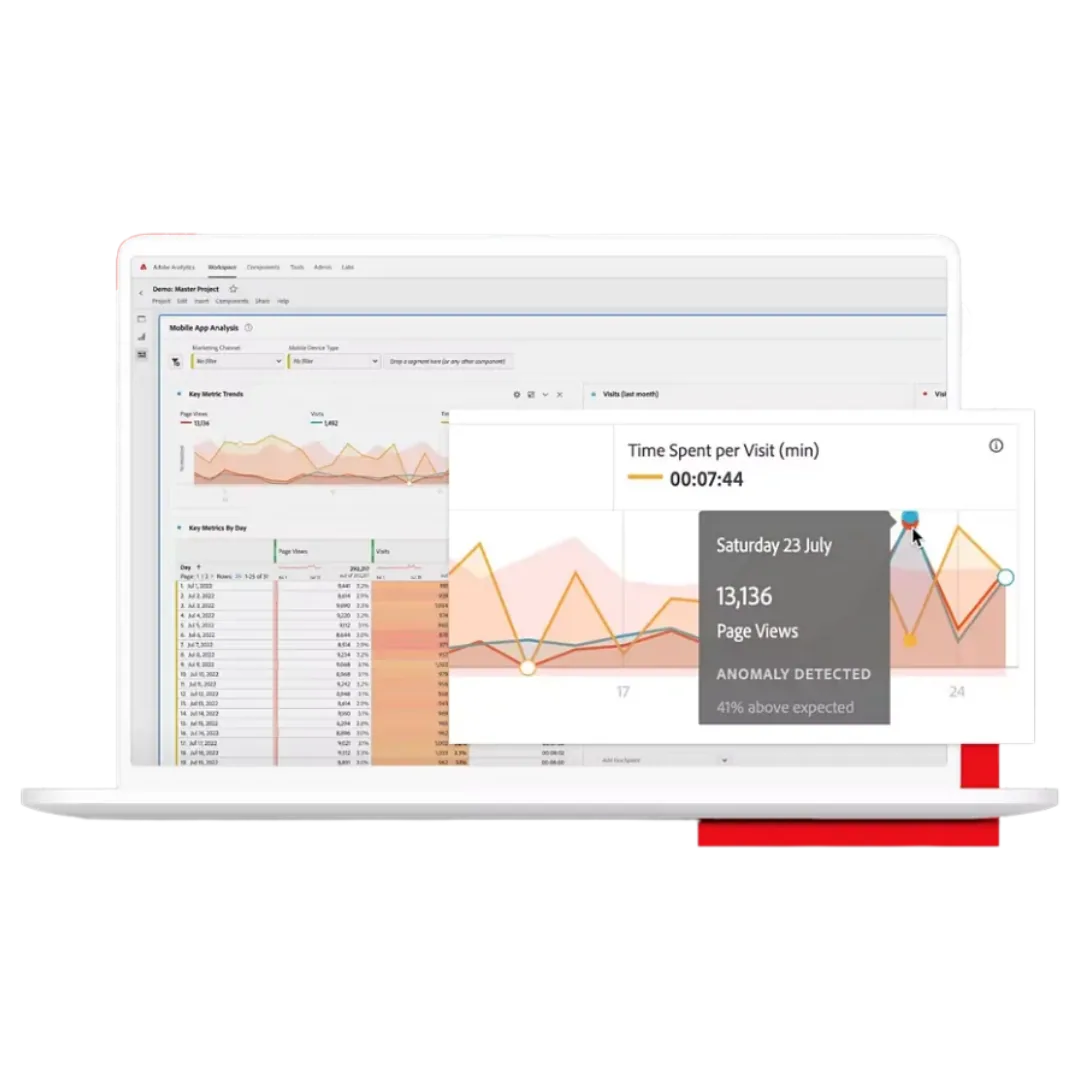
- Add advanced analytics with Adobe Analytics.
- A new front end, which we proposed to keep improving the user experience.
What applies to other B2B manufacturing projects
- Inheriting a platform means taking full control of it. We went from fixing minor bugs to managing the code, the environments and the database, and we documented our findings and modules.
- Speed matters in B2B. The version upgrade and the move to GraphQL were the basis for the improvement in site response.
- The sales team uses the site too. Faster navigation improved satisfaction for Vitro's sales executives, not just for its customers.
For more context, read our article on B2B ecommerce for manufacturing and industry in Mexico.
Related services
If this topic is relevant to your business, these services from WolfSellers can help you implement it: